

1. Introduction: A Supplier Is Not Just a Vendor—It’s a Capability
When companies search for a magnesium sheet supplier, the initial instinct is often to compare quotes, delivery timelines, or basic specifications. But in practice, experienced buyers know that magnesium is not a forgiving material. Its performance is highly sensitive to processing, handling, and consistency.
That’s why the difference between suppliers is not measured in price lists—but in process control, technical understanding, and long-term reliability. Working with an experienced manufacturer such as Miji Magnesium means you’re not just sourcing sheets—you’re integrating material performance into your product from the very beginning.
2. Understanding Magnesium Sheets: More Than Lightweight Metal
2.1 The Real Value Behind Magnesium Sheets
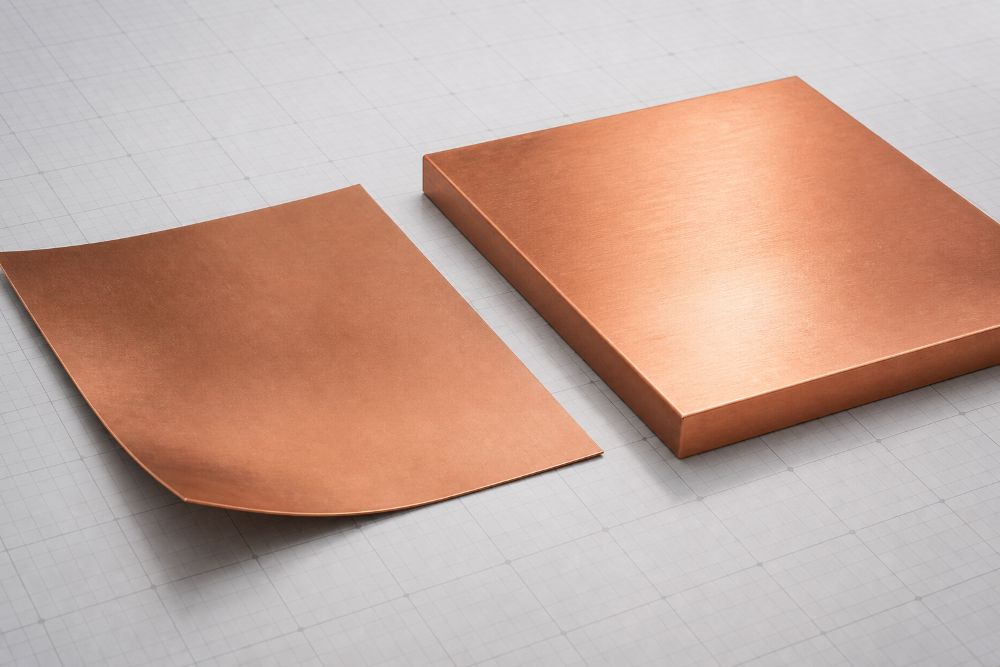
Magnesium sheets are often introduced as a lightweight alternative to aluminum or steel. While that’s true, the real advantage lies in their system-level performance benefits, including:
- High strength-to-weight efficiency
- Excellent vibration damping
- Strong thermal conductivity
- Superior machinability and forming potential
These properties make magnesium alloy sheets especially valuable in industries where performance, efficiency, and structural optimization must work together.
2.2 Why Industries Are Transitioning Toward Magnesium
From automotive lightweighting strategies to precision electronics, the shift toward magnesium is driven by one key factor: performance per unit weight. But achieving that performance requires more than just the right alloy—it requires the right supplier.
3. What Defines a Professional Magnesium Sheet Supplier
3.1 Manufacturing Control vs. Simple Distribution
A reliable supplier like Shanghai Miji Magnesium operates with full control over:
- Rolling processes
- Heat treatment cycles
- Surface finishing and inspection
This level of control ensures that each magnesium sheet delivers consistent mechanical properties and dimensional accuracy—something trading companies often cannot guarantee.
3.2 Application Awareness, Not Just Order Fulfillment
A true supplier will not simply ask for thickness and size. Instead, they will evaluate end-use applications and forming requirements. This allows for material recommendations that reduce risk and improve performance, rather than just fulfilling a specification.
4. Process Precision: Where Product Quality Is Truly Defined
4.1 Rolling Technology and Temperature Control
Magnesium sheet production depends heavily on precise rolling conditions. At Miji Magnesium, this process is treated as a controlled system—not a routine operation—ensuring each sheet meets demanding industrial expectations like refined grain structure and minimal internal stress.
4.2 Surface Quality and Structural Integrity
Surface condition is not just cosmetic. It directly impacts formability during stamping and long-term fatigue behavior. High-quality magnesium plates must be uniform, clean, and free from micro-defects.
5. Application-Driven Value: Where Magnesium Sheets Deliver Results
5.1 Automotive Industry: Lightweighting That Actually Works
Magnesium sheets are increasingly used in interior structural components and seat frameworks. But successful implementation depends on consistent forming behavior, which only reliable magnesium material suppliers can provide.
5.2 Aerospace: Reliability Over Everything
In aerospace applications, magnesium sheets are selected for weight-sensitive panels and housings. Here, consistency is critical. Even small variations in material performance can lead to operational risks.
5.3 Electronics: Precision Meets Thermal Performance
For electronic enclosures, magnesium alloy sheets offer efficient heat dissipation and structural rigidity. Achieving these benefits requires tight tolerances and excellent surface finish.
6. Global Supply Capability: The Hidden Competitive Edge
6.1 Meeting International Standards
A globally capable supplier must align with ASTM and AMS standards. Miji Magnesium positions itself to meet these diverse requirements, ensuring seamless integration into global supply chains.
6.2 Logistics That Support Your Production
Beyond manufacturing, reliable supply includes stable export processes and complete documentation support, ensuring production continuity for international clients.
7. Quality Consistency: The Difference Between Risk and Reliability
7.1 Consistency Across Batches
Professional suppliers ensure stable chemical composition and predictable mechanical properties. This is especially critical for automated production environments where thickness and flatness must be perfect.
7.2 Multi-Level Quality Control Systems
At Miji Magnesium, quality control is embedded into the process through material composition analysis and full traceability systems.
8. Customization and Technical Support: Moving Beyond Standard Supply
8.1 Tailored Production Capabilities
Modern applications rarely fit into standard specifications. Customers often require custom thickness, specific alloy conditions (like AZ31B or ZK60), and specialized surface treatments.
8.2 Engineering-Level Collaboration
The most valuable suppliers act as partners, offering material selection guidance and design optimization insights. This collaboration often leads to better performance and reduced long-term costs.
9. Sustainability: A Strategic Consideration, Not a Trend
Magnesium is naturally recyclable. Responsible manufacturing at Miji Magnesium involves optimizing energy efficiency and reducing material waste, aligning with global green manufacturing trends.
10. Conclusion: Choosing a Magnesium Sheet Supplier That Adds Value
In today’s market, a magnesium sheet supplier should not be judged solely by price. The right partner will understand your application, control production, and deliver consistency.
Miji Magnesium represents this level of capability—combining technical expertise and global supply experience to support your high-performance applications. When performance matters, your supplier becomes part of your product.