

1. Introduction: Why “Factory Capability” Matters More Than Product Specs
When buyers search for a magnesium plate factory, they are often trying to solve a deeper problem than sourcing metal—they are trying to reduce uncertainty in their supply chain.
In reality, magnesium plates are not a commodity product. Their performance is heavily influenced by upstream manufacturing capability, process stability, and technical control. A true factory is not just a production site; it is a system that determines whether magnesium plates will perform reliably in aerospace structures, automotive components, electronics housings, or precision industrial applications. For leading manufacturers like Miji Magnesium, factory capability is not defined by output volume—but by consistency, engineering discipline, and application-driven production.
2. What Defines a Real Magnesium Plate Factory
2.1 Beyond Manufacturing: A Controlled Engineering Environment
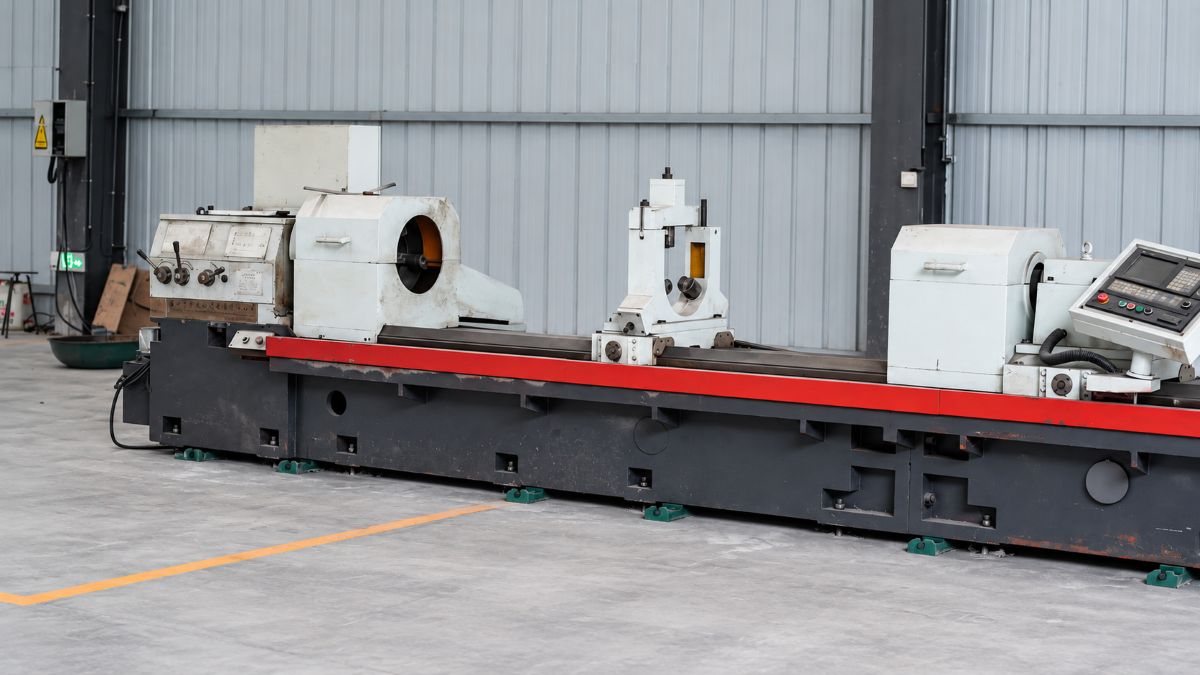
A professional magnesium plate factory integrates alloy preparation, rolling system precision, heat treatment optimization, and rigorous inspection. This ensures every sheet or plate produced is not just “metal”—but a predictable engineering material.
2.2 Why Process Stability Is Critical
Magnesium is highly sensitive to processing conditions. Small variations in temperature or deformation can significantly affect grain structure and mechanical strength. This is why leading magnesium plate factories invest heavily in automated process monitoring rather than relying on manual adjustments.
3. Inside Magnesium Plate Manufacturing: From Alloy to Finished Product
3.1 Alloy Selection and Material Foundation
A high-quality factory begins with proper alloy systems such as:
- AZ31B for balanced formability and strength.
- AZ80A for higher structural performance.
- ZK60A for advanced engineering applications.
3.2 Controlled Rolling Technology
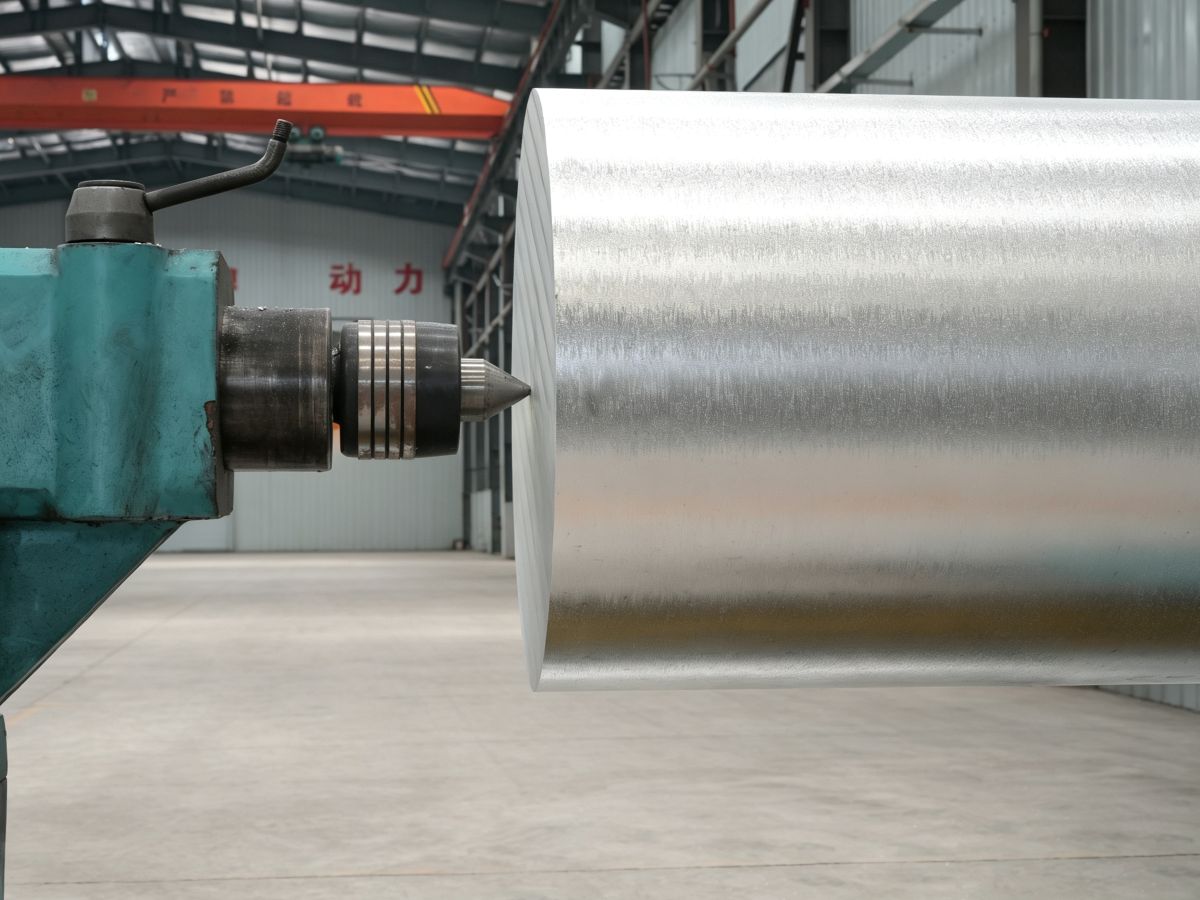
Rolling is the core transformation stage. Key technical controls at Miji Magnesium include temperature window stability and multi-stage rolling sequences to refine grain structure. This step determines whether the final product can meet industrial-grade performance requirements.
3.3 Surface Integrity and Finishing
Surface quality directly impacts downstream usability, especially in the electronics and aerospace industries where post-processing precision is critical.
4. Application-Oriented Manufacturing Philosophy
- Automotive Industry: Focusing on structural reinforcements and interior panels to enable safer, lightweight vehicle design.
- Aerospace Industry: Delivering precision without compromise, where magnesium factory consistency is mandatory for structural stability.
- Electronics Industry: Providing excellent flatness and surface quality for device enclosures and thermal management.
5. The Role of Quality Control in Factory Competitiveness
5.1 Multi-Layer Inspection Systems
A professional factory implements chemical composition analysis, mechanical property testing, and surface defect detection to ensure every batch meets strict consistency requirements.
5.2 Traceability as a Manufacturing Standard
Modern industrial buyers require full traceability. Miji Magnesium maintains batch-level production records and material origin documentation to support global supply chain compliance.
6. Global Supply Capability: Why Factory Structure Matters
A globally capable factory must adapt to international standards such as ASTM and AMS. Beyond production, a strong partner supports stable export documentation and logistics integration to reduce risk in global procurement operations.
7. Custom Manufacturing: Where Factories Add Strategic Value
Industrial buyers often require custom thickness ranges or application-specific mechanical performance. A capable factory like Miji Magnesium adapts production parameters rather than forcing standardized output, transforming supply relationships into technical partnerships.
8. Sustainability and Modern Manufacturing Responsibility
Magnesium is inherently recyclable. Responsible factories optimize energy usage and reduce material waste, aligning with the growing global demand for sustainable procurement.
9. Why Miji Magnesium Represents Modern Factory Capability
A modern factory is defined by process discipline and global readiness. Miji Magnesium integrates these capabilities to deliver solutions for the aerospace, automotive, and industrial sectors, focusing on delivering performance consistency at scale.
10. Conclusion: Choosing a Magnesium Plate Factory Is a Long-Term Engineering Decision
Selecting a partner is an engineering decision that impacts your product’s competitiveness. The right factory will control processes, understand your specific application, and deliver consistency instead of variability.
In a global market where performance expectations continue to rise, your factory partner becomes a vital part of your product architecture. Explore the manufacturing standards at Miji Magnesium today.