Magnesium Alloy (Mg Alloy), fundamentally based on the light metal Magnesium (Mg) (Atomic Symbol), is the lightest metal alloy used for structural applications. Its defining property is its extremely low density, typically ranging from $1.74 to $1.81 g/cm3. This makes it approximately 1/4 the weight of steel and 2/3 that of aluminum, delivering superior mass reduction capabilities.
Magnesium alloys are formulated by adding elements like aluminum, Zinc, calcium, zirconium, and rare earths to enhance their overall performance.
In terms of mechanical properties, magnesium alloys exhibit outstanding specific strength.
For example: Cast alloys (such as AZ91D) can achieve tensile strengths up to 230 MPa with a density of approximately 1.8 g/cm³.
Wrought alloys (e.g., AZ31 extruded material) can achieve tensile strengths of 250 MPa or higher while maintaining good ductility.
High-temperature alloys (e.g., rare earth alloy WE43) maintain high strength at elevated temperatures, ranking among the strongest grades. They have a density of approximately 1.8g/cm³and a tensile strength reaching around 250 MPa.
Magnesium alloys are widely used in automotive (weight reduction), aerospace (high specific strength), laptop casings (lightweight and heat dissipation), and medical applications due to their lightweight properties, excellent vibration damping, good electromagnetic shielding performance, and high melting point of up to 650°C (pure magnesium). Magnesium alloys are ideal for achieving structural weight reduction and performance upgrades in these fields. aerospace (high strength-to-weight ratio), laptop casings (lightweight and heat dissipation), and medical applications. Magnesium alloys are an ideal solution for achieving structural weight reduction and performance upgrades.
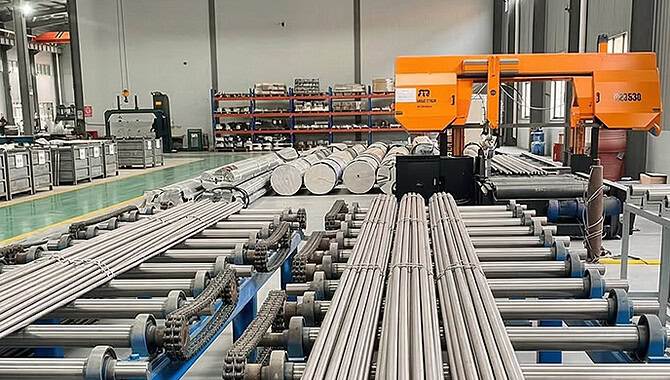
Shanghai Miji Magnesium Industry offers products in various forms, including plates, tubes, rods, and custom parts, through a full range of processes such as casting, rolling, forging, and extrusion.
Lorem ipsum dolor sit amet, consectetur adipiscing elit, sed do eiusmod tempor incididunt ut labore etfer dolore magna aliqua.
Lorem ipsum dolor sit amet, consectetur adipiscing elit, sed do eiusmod tempor incididunt ut labore etfer dolore magna aliqua.
Lorem ipsum dolor sit amet, consectetur adipiscing elit, sed do eiusmod tempor incididunt ut labore etfer dolore magna aliqua.
Lorem ipsum dolor sit amet, consectetur adipiscing elit, sed do eiusmod tempor incididunt ut labore etfer dolore magna aliqua.
Lorem ipsum dolor sit amet, consectetur adipiscing elit, sed do eiusmod tempor incididunt ut labore etfer dolore magna aliqua.
Lorem ipsum dolor sit amet, consectetur adipiscing elit, sed do eiusmod tempor incididunt ut labore etfer dolore magna aliqua.
Lorem ipsum dolor sit amet, consectetur adipiscing elit, sed do eiusmod tempor incididunt ut labore etfer dolore magna aliqua.
Lorem ipsum dolor sit amet, consectetur adipiscing elit, sed do eiusmod tempor incididunt ut labore etfer dolore magna aliqua.
Lorem ipsum dolor sit amet, consectetur adipiscing elit, sed do eiusmod tempor incididunt ut labore etfer dolore magna aliqua.
Lorem ipsum dolor sit amet, consectetur adipiscing elit, sed do eiusmod tempor incididunt ut labore etfer dolore magna aliqua.
Lorem ipsum dolor sit amet, consectetur adipiscing elit, sed do eiusmod tempor incididunt ut labore etfer dolore magna aliqua.
Lorem ipsum dolor sit amet, consectetur adipiscing elit, sed do eiusmod tempor incididunt ut labore etfer dolore magna aliqua.
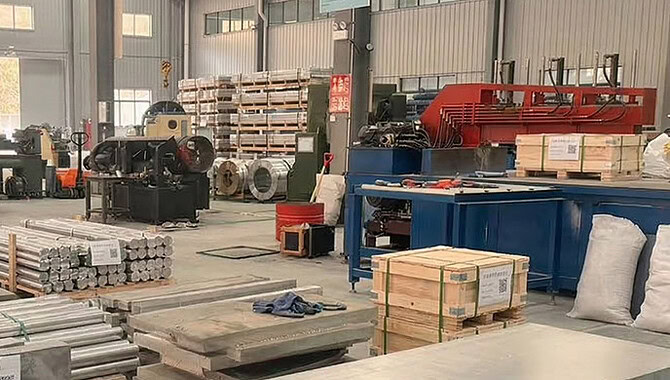
Shanghai Miji Metal Material Co., Ltd. is ,our core strengths lie in its specialized production capabilities, rapid response times, and dominance in specific niche markets.
| Dimension | Key Performance Indicator (KPI) | Standard Al/Mg Solutions | [Your Company] Advanced Solution | Quantitative Advantage |
|---|---|---|---|---|
| Ultra-Thin Wall | Minimum Wall Thickness | 0.5mm - 0.6mm | 0.1mm | 83% Reduction in thickness |
| Component Density (g/cm³) | 2.7 (Al Alloy) | 1.8 (Mg Alloy) | 33% Lighter than aluminum | |
| Robotics & Motion | Damping Capacity | 1.0 (Al Base) | 10.0+ (Mg Base) | 10x Better vibration absorption |
| Vibration Decay Time | 100% (Baseline) | <10% | 90% Reduction in residual shake | |
| System Battery Life | Baseline | +15% | 15% Extension via lower inertia | |
| Cost Model | CNC Machining Efficiency | 100% | 150% - 200% | 50%-100% Faster feed rates |
| Tooling Service Life | ~100k shots (Al) | 200k+ shots | 50% Lower tooling amortization | |
| Production Cycle Time | 45s (Typical) | 32s | 30% Increase in throughput |
Magnesium ($Mg$) is the lightest structural metal, 33% lighter than Al. Key points:
Industry: Essential for weight reduction in cars, aerospace, and 3C electronics.
Biology: A vital mineral for 300+ human enzymes and the central atom in plant chlorophyll.
Features: Silvery-white, highly reactive, and offers excellent heat dissipation and vibration damping.
Sources: Found in minerals like dolomite and extracted from seawater. It burns with a bright white light, often used in flares.
Yes, magnesium is a metal. Specifically, it is an alkaline earth metal (Group 2). Key traits:
Physical: Silvery-white, conductive, and the world's lightest structural metal.
Chemical: Highly reactive; burns with a bright white light.
Industry: Essential for lightweight alloys.